
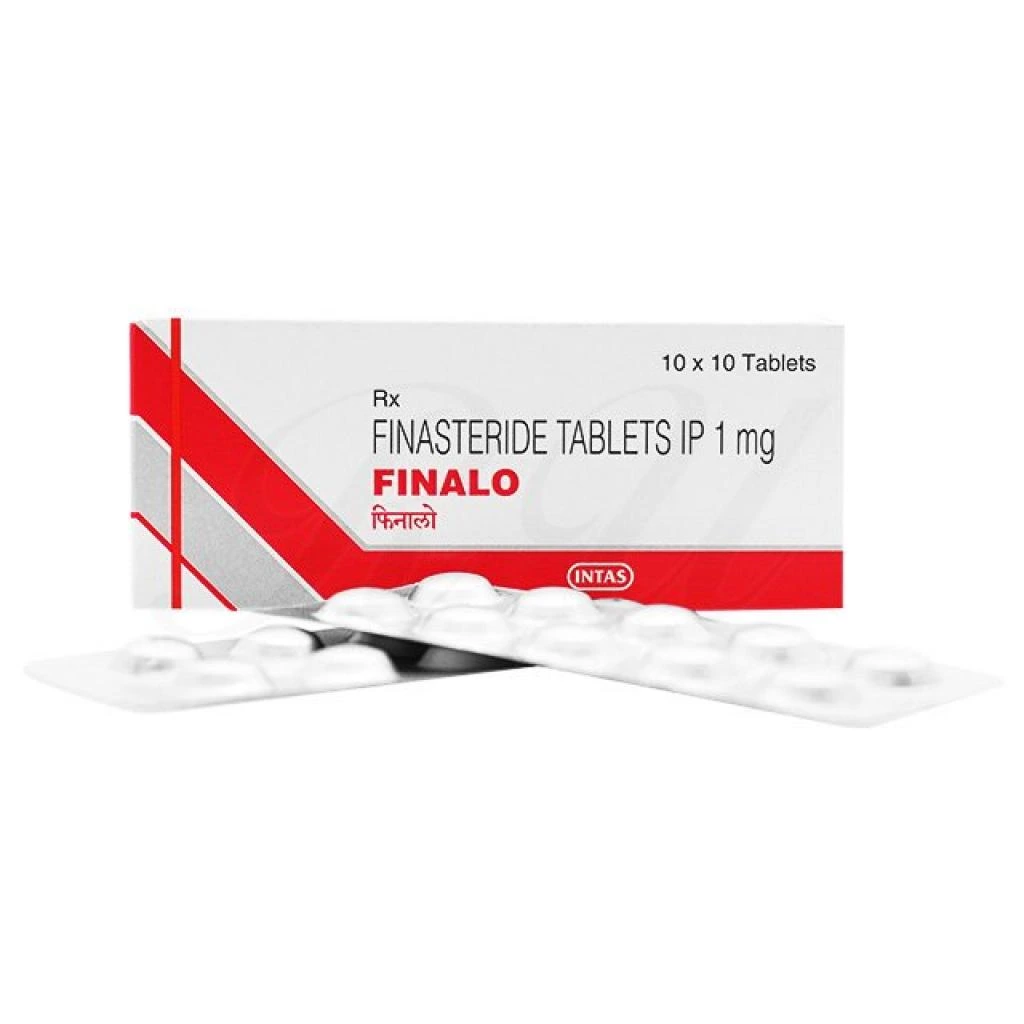
Description
Finasteride 1 mg
Finasteride 1 mg is a prescription medicine used primarily for the treatment of male pattern hair loss (androgenetic alopecia) in adult men. It belongs to a class of medicines called 5-alpha-reductase inhibitors.
Finasteride works by reducing the conversion of testosterone into dihydrotestosterone (DHT), a hormone that contributes to hair follicle miniaturization in genetically susceptible men.
Product Information
| Product Name | Finasteride 1 mg |
|---|---|
| Generic Name | Finasteride |
| Strength | 1 mg |
| Drug Class | 5-Alpha-Reductase Inhibitor |
| Therapeutic Use | Male Pattern Hair Loss |
| Dosage Form | Tablet |
| Route of Administration | Oral |
| Prescription Status | Prescription Medicine |
Uses of Finasteride 1 mg
Finasteride 1 mg is primarily prescribed for:
- Male pattern hair loss (androgenetic alopecia)
- Helping slow progressive hair loss
- Supporting hair regrowth in some areas of the scalp
- Maintaining existing hair in men with hereditary hair loss
Finasteride 1 mg is intended for use in adult men. It is not indicated for treating hair loss in women or children.
How Finasteride 1 mg Works
Finasteride selectively inhibits type II 5-alpha-reductase, an enzyme responsible for converting testosterone into DHT.
High levels of DHT can cause susceptible scalp hair follicles to gradually become smaller, resulting in thinner and shorter hair.
By lowering DHT levels, finasteride can help reduce follicle miniaturization and may improve hair growth and hair retention over time.
Benefits of Finasteride 1 mg
- Helps slow male pattern hair loss
- May promote hair regrowth in some men
- Helps maintain existing scalp hair
- Reduces DHT levels
- May improve hair density with continued treatment
Results generally require consistent use for several months and vary between individuals.
Directions for Use
Take Finasteride 1 mg once daily, or exactly as prescribed by your doctor.
It can generally be taken with or without food. Take it at approximately the same time each day.
Do not take more than the prescribed dose. Taking additional tablets does not provide faster or better results.
If treatment is stopped, the benefits generally diminish over time and hair loss may resume.
Possible Side Effects
Possible side effects may include:
- Decreased sexual desire
- Erectile dysfunction
- Reduced amount of semen
- Difficulty with ejaculation
- Breast tenderness or enlargement
- Mood changes
Many people do not experience significant side effects, but persistent or bothersome symptoms should be discussed with a healthcare professional.
Precautions
Tell your doctor if you have:
- Liver disease
- Breast changes or breast lumps
- A history of depression or significant mood changes
- Other medical conditions
- Any allergies to finasteride or related medicines
Finasteride can lower prostate-specific antigen (PSA) levels. If you undergo prostate cancer screening, tell your healthcare professional that you are taking finasteride because PSA results may need to be interpreted accordingly.
Important Pregnancy Warning
Finasteride should not be used by women who are pregnant or may become pregnant.
Pregnant women should not handle crushed or broken finasteride tablets because the active ingredient can potentially be absorbed through the skin and may cause abnormalities in the development of male genitalia.
Intact tablets have a protective coating and should not normally pose this risk when handled appropriately.
Frequently Asked Questions
What is Finasteride 1 mg used for?
Finasteride 1 mg is primarily used to treat male pattern hair loss in adult men.
What is the generic name of Finasteride 1 mg?
The active ingredient is Finasteride 1 mg.
How does Finasteride 1 mg work for hair loss?
It blocks the enzyme 5-alpha-reductase, reducing the conversion of testosterone into DHT. Lower DHT levels can help slow hair follicle miniaturization.
How long does Finasteride take to show results?
Hair improvement usually takes several months of continuous treatment. Results vary between individuals, and continued treatment is generally needed to maintain the benefits.
Can Finasteride regrow hair?
Finasteride can help maintain existing hair and may promote regrowth in some men, particularly when treatment is started before extensive follicle miniaturization occurs.
Does Finasteride stop hair loss permanently?
No. Finasteride controls DHT-related hair loss while it is being taken. If treatment is discontinued, the benefits generally decrease and hair loss may gradually resume.
Can Finasteride affect sexual function?
Yes. Some men may experience decreased libido, erectile dysfunction, or changes in ejaculation. Discuss persistent or bothersome symptoms with your doctor.
Can women take Finasteride 1 mg for hair loss?
Finasteride 1 mg is not indicated for routine treatment of female pattern hair loss. It is particularly contraindicated during pregnancy because of potential risk to a male fetus.
Does Finasteride affect PSA levels?
Yes. Finasteride can reduce PSA levels. Tell your doctor that you are taking finasteride before having PSA testing.
Can Finasteride be taken with food?
Yes. Finasteride can generally be taken with or without food.
Is Finasteride 1 mg a prescription medicine?
Yes. Finasteride should be used under the supervision of a qualified healthcare professional.



Reviews
There are no reviews yet.