
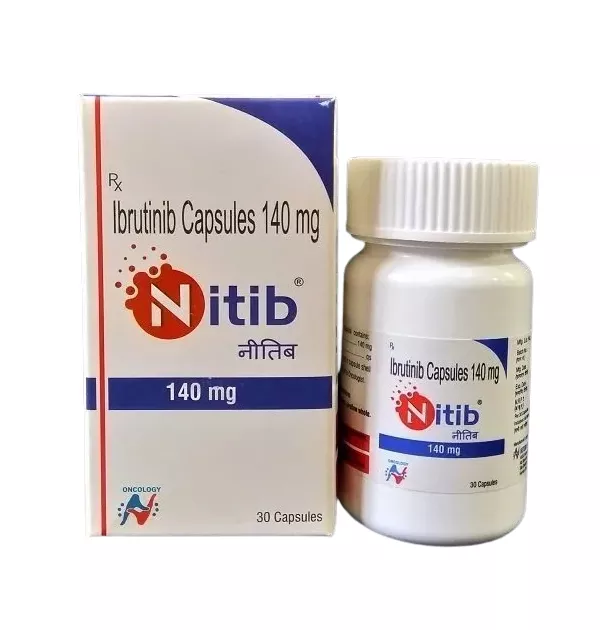
Description
Ibrutinib 140 mg Capsules
Ibrutinib 140 mg is a prescription Bruton’s tyrosine kinase (BTK) inhibitor used to treat certain blood cancers. It works by blocking BTK, a protein involved in signaling that helps certain malignant B cells survive and multiply.
Ibrutinib may be prescribed for specific types of B-cell malignancies, including chronic lymphocytic leukemia (CLL), small lymphocytic lymphoma (SLL), Waldenström’s macroglobulinemia (WM), and certain other approved indications depending on the patient’s condition and local regulatory approvals.
Product Information
| Product Name | Ibrutinib 140 mg Capsules |
|---|---|
| Generic Name | Ibrutinib |
| Strength | 140 mg |
| Drug Class | BTK Inhibitor |
| Therapeutic Use | Hematological Malignancies |
| Dosage Form | Capsule |
| Route of Administration | Oral |
| Prescription Status | Prescription Medicine |
Uses of Ibrutinib 140 mg
Ibrutinib may be prescribed for certain patients with:
-
Chronic lymphocytic leukemia (CLL)
-
Small lymphocytic lymphoma (SLL)
-
Waldenström’s macroglobulinemia (WM)
-
Certain other B-cell malignancies depending on the approved indication and treatment setting
The exact indication depends on the patient’s diagnosis, disease characteristics, previous treatment, and applicable prescribing guidelines.
How Ibrutinib 140 mg Works
Ibrutinib selectively inhibits Bruton’s tyrosine kinase (BTK).
BTK is an important component of the B-cell receptor signaling pathway. Blocking BTK interferes with signals that promote B-cell survival, proliferation, and migration.
This can help reduce the number and activity of malignant B cells in susceptible blood cancers.
Benefits of Ibrutinib 140 mg
-
Targets the BTK signaling pathway involved in B-cell survival
-
Helps slow the growth of certain malignant B cells
-
Used in the treatment of several B-cell blood cancers
-
Provides an oral targeted therapy option for appropriate patients
-
May be used alone or in combination with other anticancer medicines depending on the indication
Directions for Use
Take Ibrutinib exactly as prescribed by your hematologist or oncologist.
The dose varies according to the specific cancer being treated and the treatment regimen. 140 mg is one available capsule strength and is not necessarily the full daily dose for every indication.
Swallow the capsule whole with water. Do not open, crush, or chew the capsule unless specifically instructed by your healthcare professional.
Take the medicine at approximately the same time each day.
If you miss a dose, follow your doctor’s instructions rather than taking an extra dose without medical advice.
Possible Side Effects
Common side effects may include:
-
Diarrhea
-
Fatigue
-
Nausea
-
Muscle or joint pain
-
Bruising
-
Rash
-
Upper respiratory infections
-
Decreased blood-cell counts
-
Headache
Serious Side Effects
Ibrutinib can cause serious adverse effects, including:
-
Bleeding and hemorrhage
-
Infections
-
Low blood-cell counts
-
Atrial fibrillation and other heart rhythm problems
-
High blood pressure
-
Tumor lysis syndrome
-
Rare serious skin or other malignancies
Seek urgent medical attention for significant or unexplained bleeding, black or bloody stools, severe headache, weakness, chest pain, palpitations, fainting, or difficulty breathing.
Precautions
Tell your doctor if you have:
-
A history of bleeding problems
-
Heart rhythm disorders or cardiovascular disease
-
High blood pressure
-
Liver disease
-
Recent surgery
-
An active infection
-
Any planned surgical or dental procedure
Ibrutinib can increase bleeding risk. Your healthcare professional may advise temporarily stopping treatment before certain procedures.
Ibrutinib is metabolized mainly through CYP3A. Strong CYP3A inhibitors or inducers can significantly affect its blood concentration. Inform your doctor about all medicines, vitamins, supplements, and herbal products you use.
Avoid grapefruit and Seville oranges unless your healthcare professional confirms they are appropriate during treatment.
Frequently Asked Questions
What is Ibrutinib 140 mg used for?
Ibrutinib is used to treat certain B-cell blood cancers, including CLL, SLL, and Waldenström’s macroglobulinemia, depending on the approved indication and treatment setting.
What is the generic name of Ibrutinib 140 mg?
The active ingredient is Ibrutinib 140 mg.
What type of medicine is Ibrutinib?
Ibrutinib is a targeted anticancer medicine known as a Bruton’s tyrosine kinase (BTK) inhibitor.
How does Ibrutinib work?
It blocks BTK, a protein involved in B-cell receptor signaling. This interferes with signals that help certain malignant B cells survive, grow, and migrate.
Is Ibrutinib a chemotherapy medicine?
Ibrutinib is not conventional cytotoxic chemotherapy. It is a targeted therapy that specifically inhibits BTK signaling.
How should Ibrutinib 140 mg be taken?
Take it exactly as prescribed by your oncologist or hematologist. The required daily dose depends on the specific disease and treatment regimen.
Can Ibrutinib cause bleeding?
Yes. Bleeding and bruising can occur, and serious bleeding is a recognized risk. Inform your doctor about blood-thinning medicines and any history of bleeding.
Can Ibrutinib affect heart rhythm?
Yes. Ibrutinib can increase the risk of atrial fibrillation and other cardiac rhythm problems. Tell your doctor if you develop palpitations, dizziness, fainting, or shortness of breath.
Can Ibrutinib lower blood-cell counts?
Yes. Treatment can cause reductions in certain blood cells, which may increase the risk of infection, anemia, or bleeding. Your doctor may perform regular blood tests.
Can Ibrutinib be taken with other medicines?
Ibrutinib has clinically important drug interactions, particularly with medicines affecting CYP3A. Always tell your healthcare professional about all medicines and supplements you take.
Can Ibrutinib be used during pregnancy?
Ibrutinib may cause fetal harm. Patients who can become pregnant should discuss appropriate contraception and pregnancy precautions with their healthcare professional.
Is Ibrutinib 140 mg a prescription medicine?
Yes. Ibrutinib is a prescription anticancer medicine and should be used under the supervision of a qualified hematologist or oncologist.






Reviews
There are no reviews yet.