
Description
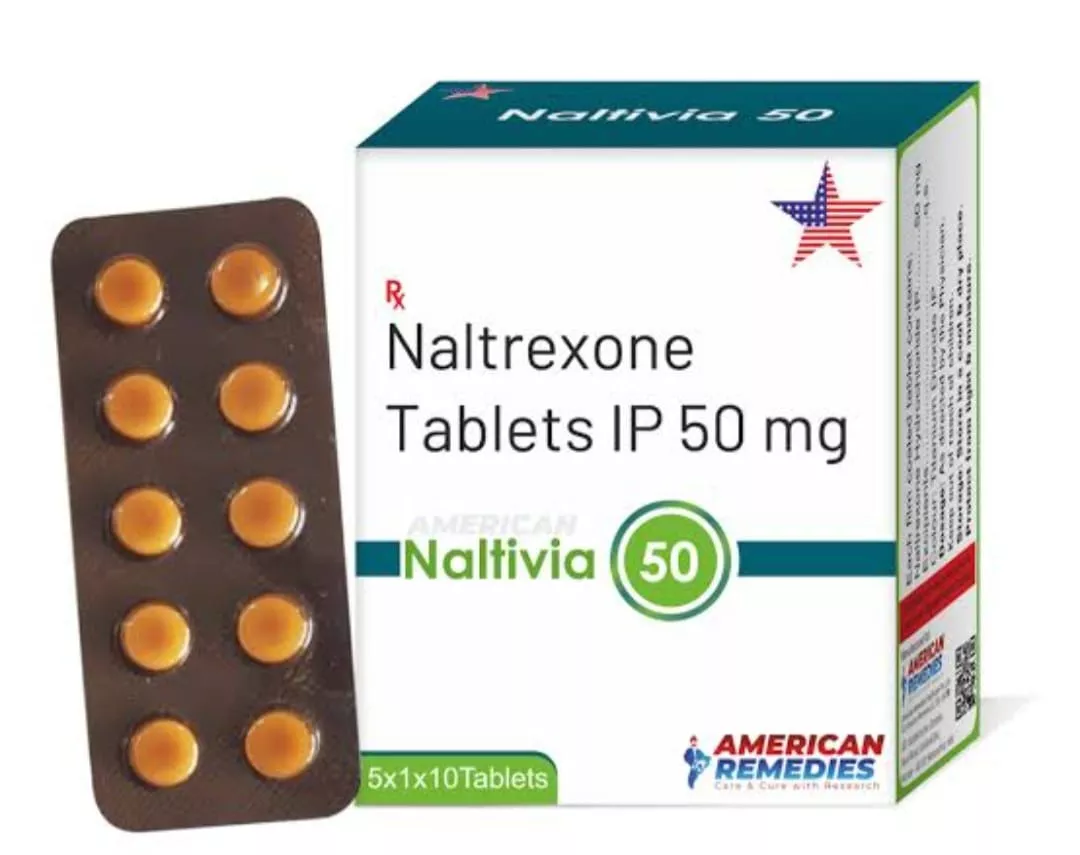
Naltrexone
Naltrexone is a prescription medicine that belongs to the opioid antagonist class. It is primarily used as part of a comprehensive treatment program for alcohol use disorder and to prevent relapse to opioid dependence after opioid detoxification.
Naltrexone works by blocking opioid receptors in the brain. It can reduce the rewarding effects associated with alcohol and prevent opioids from producing their usual euphoric effects.
Product Information
| Product Name | Naltrexone |
|---|---|
| Generic Name | Naltrexone |
| Drug Class | Opioid Antagonist |
| Therapeutic Use | Alcohol Use Disorder / Opioid Dependence |
| Dosage Form | Tablet, depending on product |
| Route of Administration | Oral |
| Prescription Status | Prescription Medicine |
Uses of Naltrexone
Naltrexone may be prescribed as part of a comprehensive treatment program for:
- Alcohol use disorder
- Prevention of relapse to opioid dependence following opioid detoxification
- Reducing the risk of returning to opioid use after a period of abstinence
Naltrexone does not treat opioid withdrawal and is not a substitute for medically supervised detoxification.
How Naltrexone Works
Naltrexone is a competitive opioid receptor antagonist.
It blocks opioid receptors in the central nervous system, preventing opioid medicines and opioid drugs from producing their typical effects, including euphoria.
In alcohol use disorder, naltrexone can reduce the rewarding effects associated with alcohol and may help reduce alcohol craving in some patients.
Benefits of Naltrexone
- Helps support abstinence from alcohol as part of a comprehensive treatment program
- May reduce alcohol craving in some people
- Helps prevent opioids from producing their expected effects
- Can support relapse prevention after opioid detoxification
- Is non-addictive and does not produce opioid-like euphoria
Directions for Use
Take Naltrexone exactly as prescribed by your doctor.
The dose and treatment schedule depend on the condition being treated and the formulation prescribed.
Naltrexone must not be started while opioids are still present in the body, because it can precipitate sudden and severe opioid withdrawal.
Patients transitioning from opioid use generally need an adequate opioid-free period before starting naltrexone. The required interval varies depending on the opioid used and the patient’s circumstances, so medical supervision is important.
Do not attempt to overcome the opioid-blocking effect by taking larger amounts of opioids. Doing so can result in serious overdose, respiratory depression, coma, or death.
Possible Side Effects
Common side effects may include:
- Nausea
- Headache
- Dizziness
- Fatigue
- Nervousness
- Difficulty sleeping
- Abdominal discomfort
- Joint or muscle pain
These effects may improve as treatment continues.
Serious Side Effects
Naltrexone can cause liver injury, particularly at excessive doses or in susceptible individuals.
Seek medical attention if you develop:
- Yellowing of the skin or eyes
- Dark urine
- Persistent upper abdominal pain
- Severe nausea or vomiting
- Unusual fatigue
Your doctor may evaluate liver function before and during treatment when clinically appropriate.
Important Opioid Warning
Naltrexone blocks opioid receptors, but opioid tolerance can decrease during treatment.
If a person attempts to overcome the blockade by taking high doses of opioids, or returns to opioid use after stopping naltrexone, the risk of potentially fatal opioid overdose can be increased.
Patients should discuss emergency overdose prevention, including naloxone availability, with their healthcare professional when appropriate.
Precautions
Tell your doctor if you:
- Currently use opioids
- Recently stopped using opioids
- Have liver disease or abnormal liver tests
- Have kidney problems
- Are pregnant or breastfeeding
- Are taking opioid-containing medicines for pain, cough, or diarrhea
Before starting treatment, your doctor may perform an assessment to confirm that you are opioid-free and may review liver function.
Always inform healthcare professionals that you are taking naltrexone, particularly before surgery or emergency treatment because standard opioid pain medicines may be less effective.
Frequently Asked Questions
What is Naltrexone used for?
Naltrexone is primarily used as part of a comprehensive treatment program for alcohol use disorder and to help prevent relapse to opioid dependence after detoxification.
How does Naltrexone work?
Naltrexone blocks opioid receptors in the brain. This prevents opioids from producing their usual effects and may reduce the rewarding effects of alcohol.
Is Naltrexone an opioid?
No. Naltrexone is an opioid antagonist and does not produce opioid-like euphoria.
Can Naltrexone be taken while using opioids?
No. Naltrexone should not be started while opioids are present in the body because it can trigger severe, sudden opioid withdrawal.
How long should someone be opioid-free before taking Naltrexone?
The required opioid-free period depends on the opioid used and the individual’s circumstances. A healthcare professional should determine when it is safe to start treatment.
Does Naltrexone reduce alcohol cravings?
It can reduce alcohol craving and the rewarding effects of alcohol in some people. It works best as part of a comprehensive treatment program that may include counseling and behavioral support.
Can Naltrexone cause liver problems?
Yes. Naltrexone can affect the liver, particularly at excessive doses or in people with existing liver disease. Your doctor may monitor liver function when appropriate.
Can Naltrexone be used for pain relief?
No. Naltrexone blocks opioid pain medicines and is not a conventional painkiller.
What happens if opioids are taken while using Naltrexone?
Naltrexone can block the effects of opioids. Attempting to overcome the blockade by taking larger opioid doses can result in serious or fatal overdose.
Can Naltrexone be stopped suddenly?
Naltrexone does not generally cause physical dependence like opioids, but treatment should be stopped or changed according to your healthcare professional’s advice.
Is Naltrexone a prescription medicine?
Yes. Naltrexone should be used under the supervision of a qualified healthcare professional.




Reviews
There are no reviews yet.