
Description
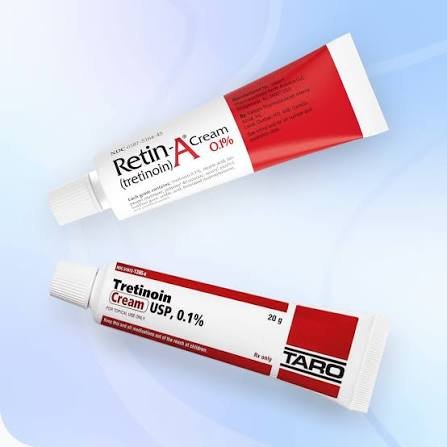
Retin-A 0.1% Gel 20 g
Retin-A 0.1% Gel contains Tretinoin 0.1%, a topical retinoid used primarily for the treatment of acne vulgaris. Tretinoin works by increasing skin-cell turnover and helping prevent the formation of clogged pores.
Retin-A 0.1% Gel is applied directly to the affected skin. Because tretinoin can cause irritation and increased sensitivity to sunlight, it should be used exactly as directed by a healthcare professional and accompanied by appropriate sun protection.
Product Information
| Product Name | Retin-A 0.1% Gel |
|---|---|
| Generic Name | Tretinoin |
| Strength | 0.1% |
| Pack Size | 20 g |
| Drug Class | Topical Retinoid |
| Therapeutic Use | Acne Vulgaris |
| Dosage Form | Topical Gel |
| Route of Administration | Topical |
| Prescription Status | Prescription Medicine |
Uses of Retin-A 0.1% Gel
Retin-A 0.1% Gel is primarily used for:
- Treatment of acne vulgaris
- Helping unclog blocked pores
- Reducing the formation of new acne lesions
- Promoting normal skin-cell turnover
How Retin-A 0.1% Gel Works
Retin-A contains tretinoin, a derivative of vitamin A. It works by increasing the turnover of skin cells and reducing the tendency of dead skin cells to accumulate and block pores.
By helping keep pores clear, tretinoin can reduce the formation of comedones and other acne lesions over time.
Benefits of Retin-A 0.1% Gel
- Helps treat acne
- Helps prevent clogged pores
- Supports normal skin-cell turnover
- May reduce the formation of new acne lesions with continued use
- Can be incorporated into a dermatologist-supervised acne treatment plan
Directions for Use
Apply Retin-A 0.1% Gel exactly as directed by your doctor or dermatologist.
Generally, a small amount is applied as a thin layer to clean, completely dry, acne-affected skin, often once daily in the evening. Avoid applying the gel to the eyes, lips, nostrils, mucous membranes, cuts, or irritated skin.
Wash your hands after application unless the hands are being treated. Using more gel than recommended does not improve results and may increase irritation.
Possible Side Effects
Common side effects may include:
- Skin dryness
- Redness
- Peeling or flaking
- Burning or stinging
- Increased sensitivity
- Temporary worsening of acne during the initial treatment period
If severe irritation, swelling, blistering, or significant skin reactions occur, discontinue use and seek medical advice.
Precautions
Tretinoin can increase sensitivity to sunlight. Limit unnecessary sun exposure and use appropriate broad-spectrum sunscreen and protective clothing during treatment.
Avoid using Retin-A on sunburned, eczema-affected, broken, or severely irritated skin unless specifically advised by a healthcare professional.
Inform your doctor about other topical acne products, particularly products containing benzoyl peroxide, salicylic acid, or other potentially irritating ingredients, because



Reviews
There are no reviews yet.