
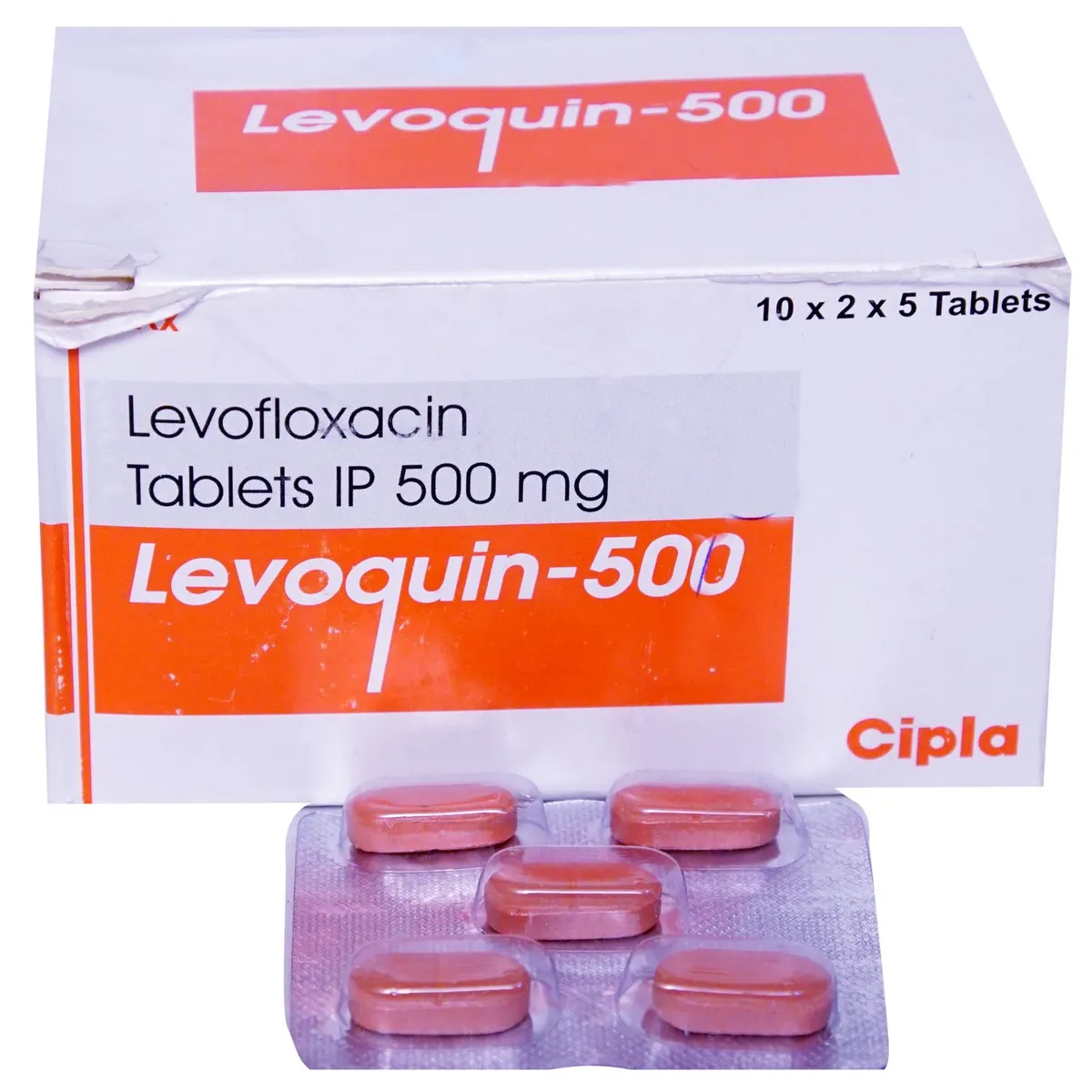
Description
Levaquin 500 mg
Levaquin 500 mg contains Levofloxacin 500 mg, a fluoroquinolone antibiotic used to treat certain bacterial infections caused by susceptible microorganisms. It works by interfering with bacterial DNA replication and repair, preventing susceptible bacteria from growing and multiplying.
Levaquin 500 mg should only be used when a bacterial infection is confirmed or strongly suspected and when treatment with this antibiotic is considered appropriate by a healthcare professional. It does not work against viral infections such as the common cold or influenza.
Product Information
| Product Name | Levaquin 500 mg |
|---|---|
| Generic Name | Levofloxacin |
| Strength | 500 mg |
| Drug Class | Fluoroquinolone Antibiotic |
| Therapeutic Use | Bacterial Infections |
| Dosage Form | Tablet |
| Route of Administration | Oral |
| Prescription Status | Prescription Medicine |
Uses of Levaquin 500 mg
Levaquin 500 mg may be prescribed for certain susceptible bacterial infections, including:
- Bacterial respiratory tract infections
- Pneumonia
- Urinary tract infections
- Acute pyelonephritis
- Certain bacterial skin and soft-tissue infections
- Other susceptible bacterial infections as determined by a healthcare professional
The appropriate use depends on the infection, the susceptibility of the bacteria, local resistance patterns, and the patient’s medical condition.
How Levaquin 500 mg Works
Levaquin 500 mg contains levofloxacin, which inhibits bacterial enzymes known as DNA gyrase and topoisomerase IV. These enzymes are essential for bacterial DNA replication and repair.
By interfering with these enzymes, levofloxacin prevents susceptible bacteria from reproducing and ultimately causes bacterial cell death.
Benefits of Levaquin 500 mg
- Helps treat susceptible bacterial infections
- Has activity against a broad range of bacteria
- Can reach therapeutic concentrations in various tissues and body fluids
- May be used when a fluoroquinolone is considered appropriate for the specific infection
Directions for Use
Take Levaquin 500 mg exactly as prescribed by your doctor. Swallow the tablet with sufficient water and take it at approximately the same time each day.
Do not change the prescribed dose or stop treatment without consulting your healthcare professional.
Products containing aluminum or magnesium antacids, iron, zinc, or certain mineral supplements can reduce the absorption of levofloxacin. Follow your doctor’s or pharmacist’s instructions about separating these products from your antibiotic dose.
Possible Side Effects
Common side effects may include:
- Nausea
- Diarrhea
- Headache
- Dizziness
- Insomnia
- Abdominal discomfort
Rare but potentially serious adverse reactions include tendon inflammation or rupture, peripheral neuropathy, central nervous system effects, severe allergic reactions, and changes in blood glucose.
Seek prompt medical attention if you develop severe tendon pain or swelling, numbness or tingling, significant weakness, severe neurological or mental symptoms, or signs of a serious allergic reaction.
Precautions
Inform your doctor if you have a history of tendon disorders, seizures, peripheral neuropathy, heart rhythm problems, myasthenia gravis, kidney disease, or other significant medical conditions.
Levofloxacin may prolong the QT interval and can interact with medicines that affect heart rhythm.
Patients with reduced kidney function may require a dosage adjustment.
Fluoroquinolone antibiotics are generally reserved for situations where their benefits outweigh their potential risks because they can cause serious and, in some cases, long-lasting adverse effects.
Frequently Asked Questions
What is Levaquin 500 mg used for?
Levaquin 500 mg contains levofloxacin and is used to treat certain bacterial infections caused by susceptible microorganisms.
What is the generic name of Levaquin 500 mg?
The active ingredient in Levaquin 500 mg is levofloxacin 500 mg.
Can Levaquin 500 mg treat a cold or flu?
No. Levaquin is an antibiotic and does not treat viral infections such as the common cold or influenza.
How should Levaquin 500 mg be taken?
Take it exactly as prescribed by your doctor and swallow the tablet with water. Follow your healthcare professional’s instructions regarding antacids, mineral supplements, and other medicines.
Can I take antacids with Levaquin 500 mg?
Antacids containing aluminum or magnesium can reduce levofloxacin absorption. Iron and zinc supplements can also interfere with absorption. These products should be separated from levofloxacin according to your doctor’s or pharmacist’s instructions.
Can Levaquin 500 mg cause tendon problems?
Yes. Levofloxacin can rarely cause tendon inflammation or tendon rupture. Contact your healthcare professional promptly if you develop tendon pain, swelling,




Reviews
There are no reviews yet.